„COMPETITION FOR FINANCIAL SUPPORT FOR PROJECT OF JUNIOR BASIC RESEARCHERS AND POSTDOCS – 2025“
Administrative description of the project
Competition:
Competition for Funding of Fundamental Scientific Research by Young Scientists and
Postdoctoral Researchers – 2025
Main research/thematic area of the project:
Social Sciences
Additional research/thematic area – for interdisciplinary projects:
Technical Sciences, Earth Sciences
Key words:
Industrial Symbiosis, Circular Economy, Sustainable Development
Project title:
Industrial Symbiosis: Research and Transfer of Best Practices from Kalundborg, Denmark, to the Bulgarian Economy (SymBioBG )
Type of the planned research (financial support can be provided only for
fundamental research):
The study of industrial symbiosis, grounded in the international experience of Kalundborg and complemented by the development of a conceptual and indicator model, has fundamental significance. It generates new knowledge about the applicability of this approach in a specific economic and social context and expands the theoretical foundations of industrial symbiosis as an interdisciplinary research field.
Organization:
New Bulgarian University
Coordinator of the research team (academic position and degree, name):
Assist. Prof. Mina Lyubomirova Karpuzova, PhD
Coordinator’s address (postal, electronic, phone):
Address: 63 Tsar Samuil Street, Kladenitsa Village, Bulgaria
Email: markova.mina@gmail.com
Phone: +359 877 77 27 17
Requested budget for accomplishment of the project (in BGN, 1.00 EUR =
1.95583 BGN): 57 700,00
Abstract of the project:
This project seeks to develop a scientifically grounded model of industrial symbiosis (IS), drawing on an in-depth analysis of the fundamental principles, organizational mechanisms, and proven effects of the Kalundborg, Denmark case – the world’s most recognized and successful IS example.
The project will include a research visit and field studies in Kalundborg, enabling direct observation, analysis, and validation of best practices. A multidisciplinary team of young researchers, doctoral students, and experts will carry out fieldwork, including in-depth interviews with industrial partners engaged in the symbiotic network. This empirical approach will generate robust insights into the logic, sustainability, and replicability of the model, while contributing to knowledge transfer and innovative applications in the Bulgarian context.
The collected data will serve as the basis for developing a conceptual and practically adaptable model, to be presented in an accessible online handbook in Bulgarian. The handbook will outline applicable indicators, structural steps, and organizational requirements for implementing industrial symbiosis under Bulgarian conditions.
A special focus is placed on the applicability of the model within the Bulgarian industrial environment, with the Industrial Zone “Pernik” selected as a pilot target area. The region is characterized by:
● historically established industrial linkages;
● the presence of similar production structures (metallurgy, construction materials, energy, waste management);
● a concentration of enterprises generating residual flows suitable for symbiotic use;
● the urgent need for reindustrialization through sustainable and resource-efficient practices.
The project foresees a series of meetings in the city of Pernik, visits to industrial zones, and an analysis of the possibilities for adapting the model, including the identification of potential participants, barriers, incentives, and the regulatory framework. This will ensure the direct translation of research into practical application, delivering high societal and economic value.
The ultimate objective is to formulate strategic recommendations and develop a pilot toolkit to support the transformation of industrial relations in Bulgaria by introducing industrial symbiosis as a mechanism for enhancing resource efficiency, competitiveness, and sustainable economic development.
The project combines fundamental scientific analysis with practical applicability and carries strong potential for multiplying its impact across other industrial zones in the country.
New Bulgarian University acts as the lead organization of the project, providing both academic and administrative oversight of all activities. The project leader, a member of the university’s faculty, is responsible for overall coordination, scientific expertise, and organizational support.
The leading role of NBU is reinforced by the university’s institutional capacity to conduct interdisciplinary research, engage young scholars, and ensure the practical applicability of results through strong connections with business, industry, and the public sector.
The project is fully aligned with the National Strategy for the Development of Scientific Research in the Republic of Bulgaria 2017–2030, contributing to its objectives by fostering innovation, strengthening the links between science and industry, and supporting sustainable development. It addresses the vision and strategic priorities set out in Science 2030, including improving the quality of research, promoting open science, developing human capital, and expanding international partnerships.
In addition, the project is consistent with the Innovation Strategy for Smart Specialization of the Republic of Bulgaria 2021–2027, as it focuses on introducing models for the implementation of resource-efficient technologies, advancing the circular economy, and enhancing industrial competitiveness.
In line with strategic priorities and national policy, the project envisages the introduction and application of the principles of open science. This is reflected in the Implementation and Dissemination Plan, which ensures non-exclusive and non-discriminatory access through teaching, publication in peer-reviewed open-access journals, and the presentation of freely available databases (via an online handbook in Bulgarian).
Special attention is given to the development of human capital. The project actively engages young researchers and doctoral students, fully aligning with the strategy’s goal of building a sustainable and highly skilled scientific generation. It provides opportunities for early-career scholars and doctoral candidates to deepen their knowledge, strengthen research skills, and gain
valuable practical experience in an interdisciplinary and innovative environment.
Total amount of project implementation:
29 501,54 евро /57 700,00 лв.
Members of the research team
Organization:
New Bulgarian University
Coordinator of the research team
Assist. Prof. Mina Lyubomirova Karpuzova, PhD, Early-career researcher
Team members:
Assist. Prof. Mina Lyubomirova Karpuzova, PhD, Early-career researcher
Hristiyana Stoimenova, Doctoral student
Georgi Stefanov, Doctoral student
Dissemination & Knowledge Transfer
The project is committed to ensuring that its results are made accessible under non-exclusive and non-discriminatory conditions. Dissemination activities will guarantee broad visibility and practical applicability of the scientific outcomes. This approach will support effective knowledge transfer and the uptake of best practices across the academic community, industry, and the public sector, thereby maximizing the project’s societal and economic impact.
Expected Results
The main results of the project include the development of a scientifically grounded conceptual model of industrial symbiosis, adapted to Bulgarian conditions, as well as the creation of a freely accessible online handbook on industrial symbiosis. Within the framework of the project, at least two scientific articles will be prepared and published in peer-reviewed open-access journals.
In addition, a comparative analysis will be carried out between the successful industrial symbiosis model in Kalundborg and the potential opportunities for implementation in Bulgaria (Pernik). On this basis, policy and regulatory recommendations will be formulated to support the introduction and development of industrial symbiosis in the country.
As a key outcome, the project will also contribute to building a sustainable network of academic, industrial, and institutional partners engaged in circular economy and industrial symbiosis.
The results of the research, including the developed online handbook, will be presented at a final event hosted by New Bulgarian University with the participation of representatives from the academic community, industry, public administration, and other stakeholders. The main objective of the forum is to foster cross-institutional dialogue on the implementation of industrial symbiosis in Bulgaria and to create conditions for future cooperation, pilot projects, and tangible transformations in industrial practice.
Communication Plan
Open-access publications:
● Preparation and publication of at least two scientific articles in peer-reviewed open-access journals, presenting the analysis of the Kalundborg case.
● Publications will be made under non-exclusive and non-discriminatory conditions, in accordance with Article 5 of the Bulgarian Act on the Promotion of Scientific Research, and will use Creative Commons licensing.
Open-access Practical Materials
● Dissemination of the open-access online handbook through the institutional repository of NBU or a dedicated website.
● The handbook will target the academic community and early-career researchers, industrial enterprises and business associations, public administration and institutions responsible for the circular economy, non-governmental organizations and local communities, as well as students and learners in the fields of economics, industrial technologies, and sustainable development.
Scientific and Public Forums
● Organization of a final scientific-practical event at NBU to present the conceptual model described in the handbook.
● Participation with presentations at national and international scientific conferences to promote the results within the academic community and among practitioners.
Training and Integration into Teaching
● Integration of the project results into curricula, seminars, and lectures at NBU to introduce students and early-career researchers to the topic of industrial symbiosis.
All results will be made available in open access under non-exclusive and non-discriminatory conditions, through the publication of scientific articles, provision of open databases (where applicable), online materials, and software/methodologies under open licenses. This will ensure their broad use across academic, industrial, and societal contexts in Bulgaria and beyond.
Project period: 09.12.2025 – 09.12.2027
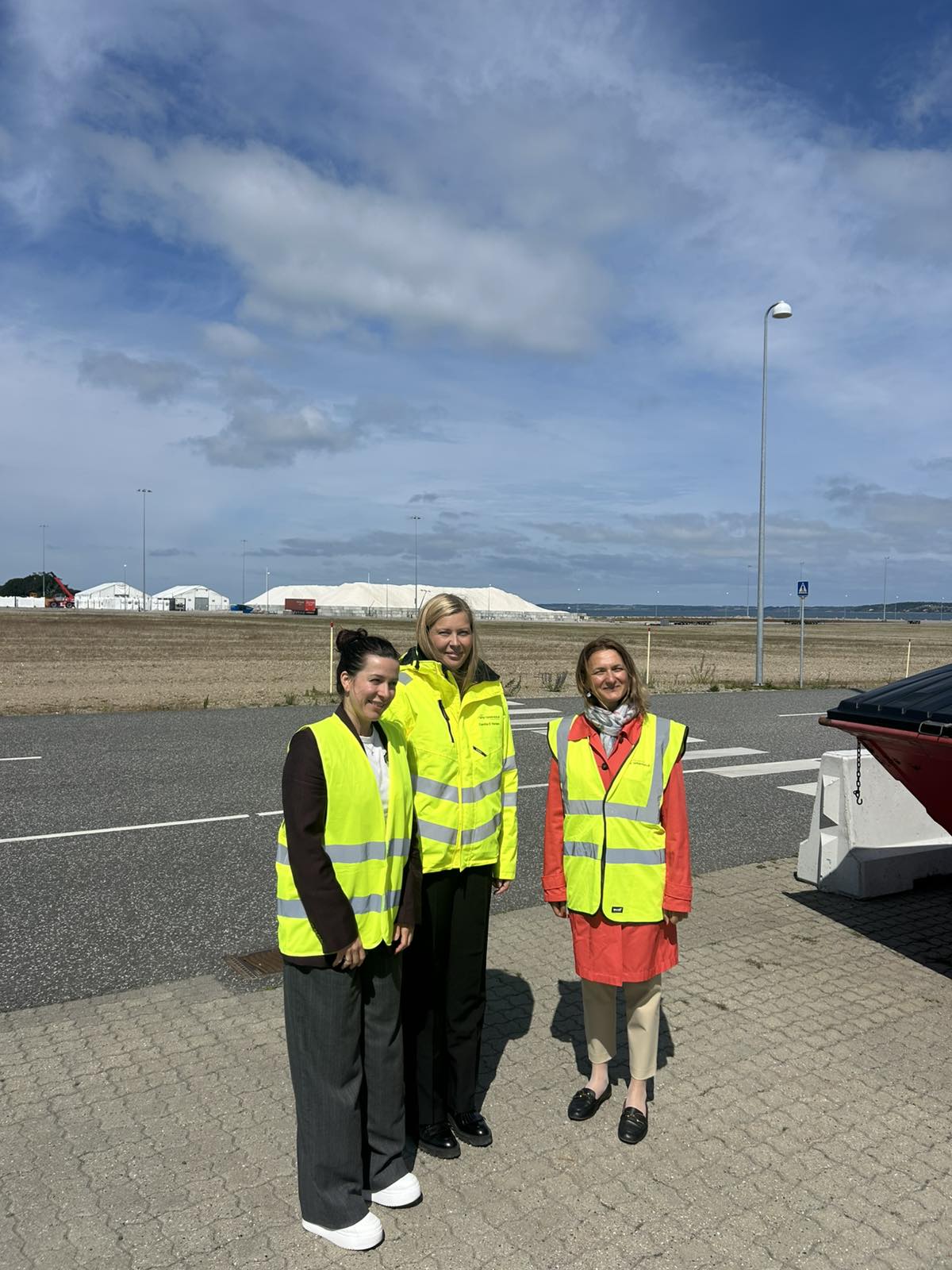
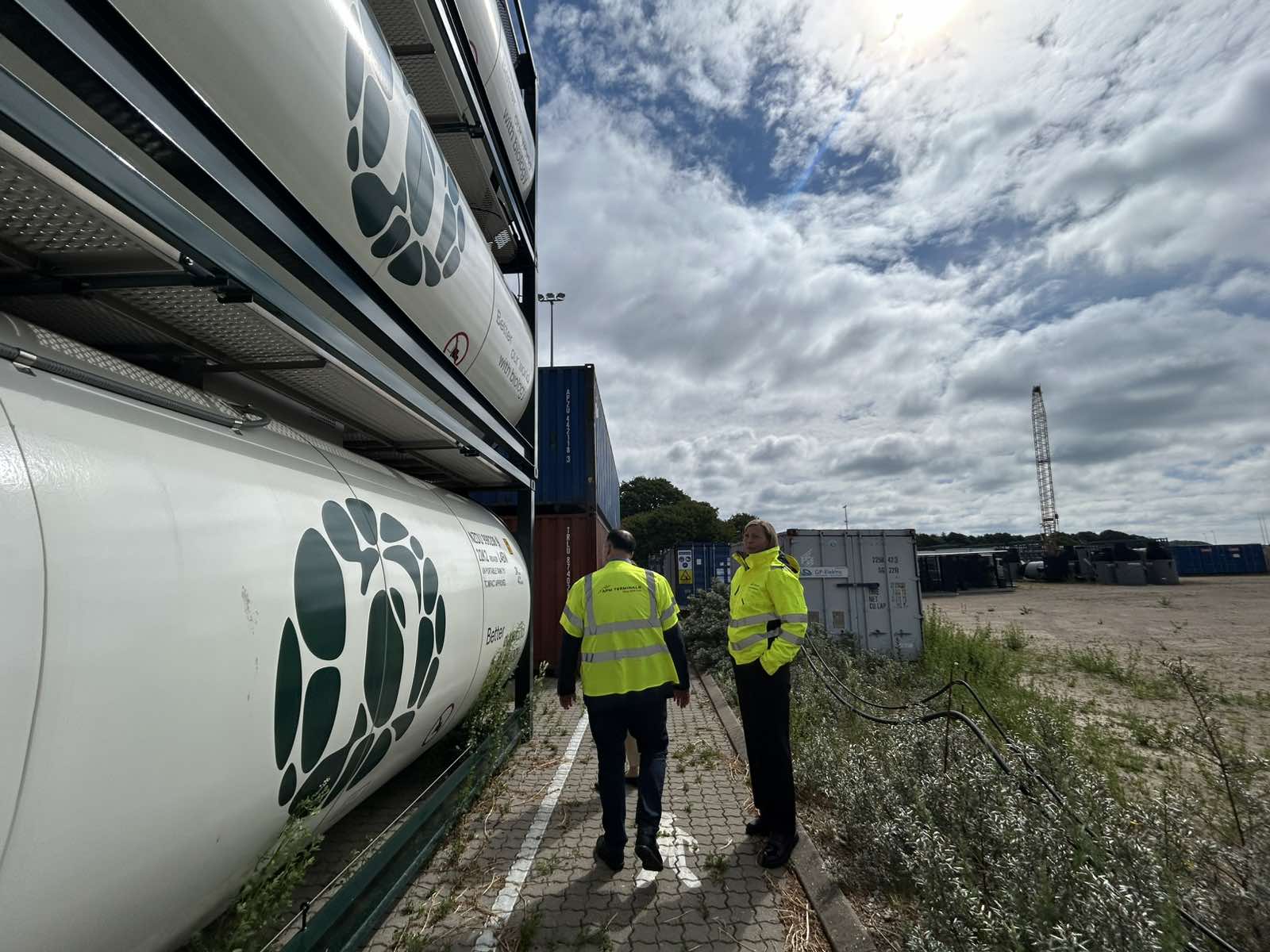
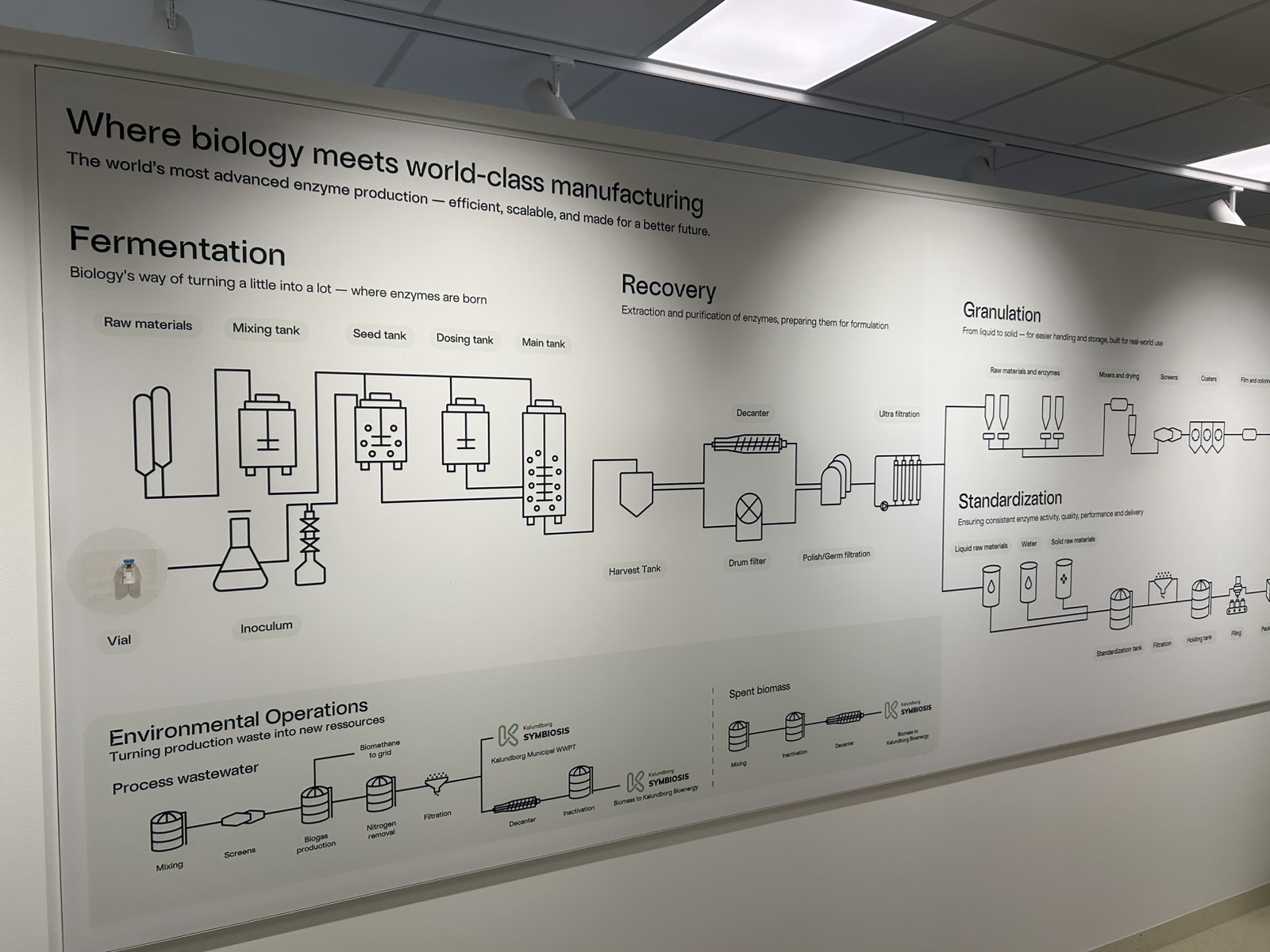
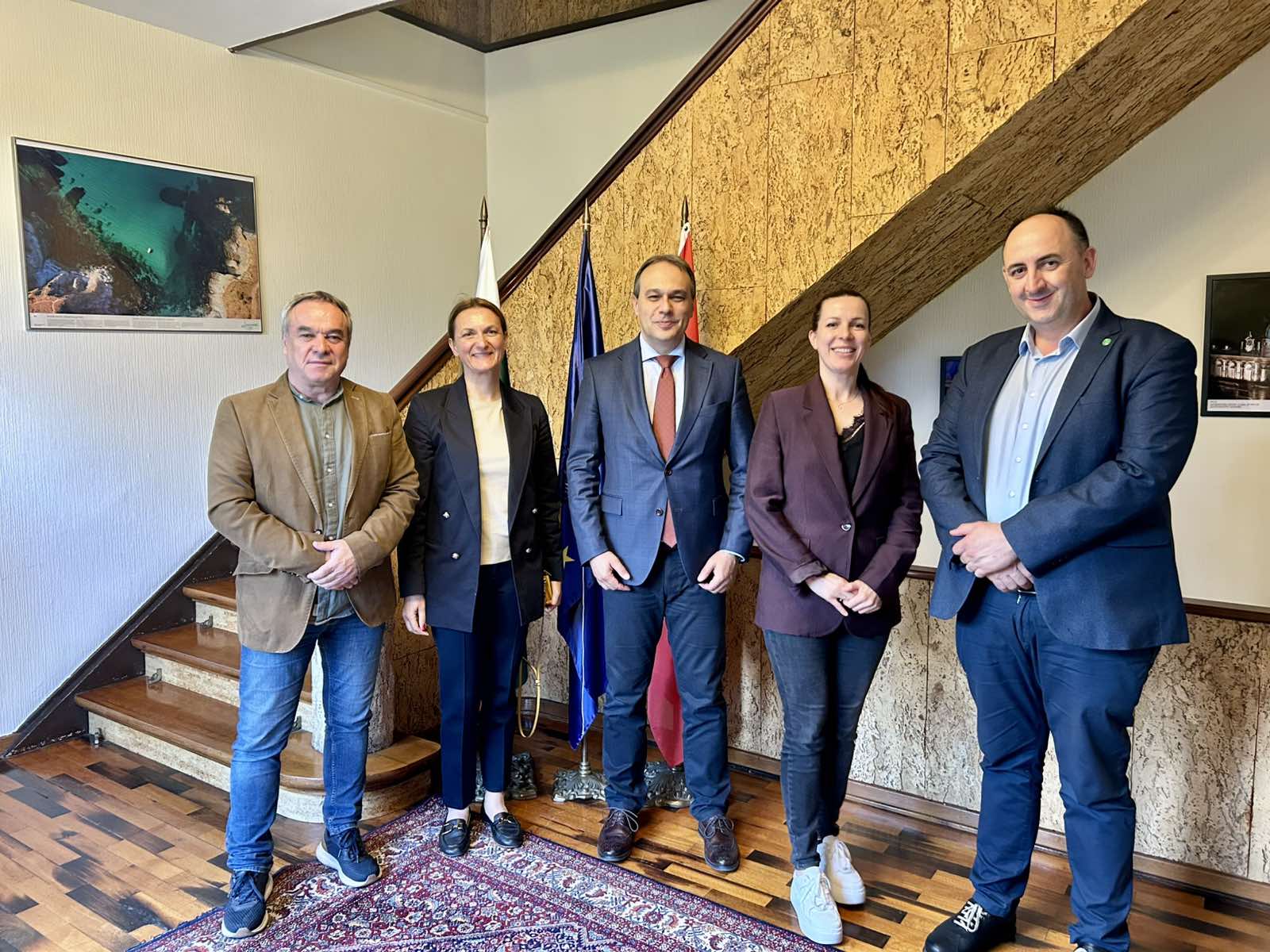
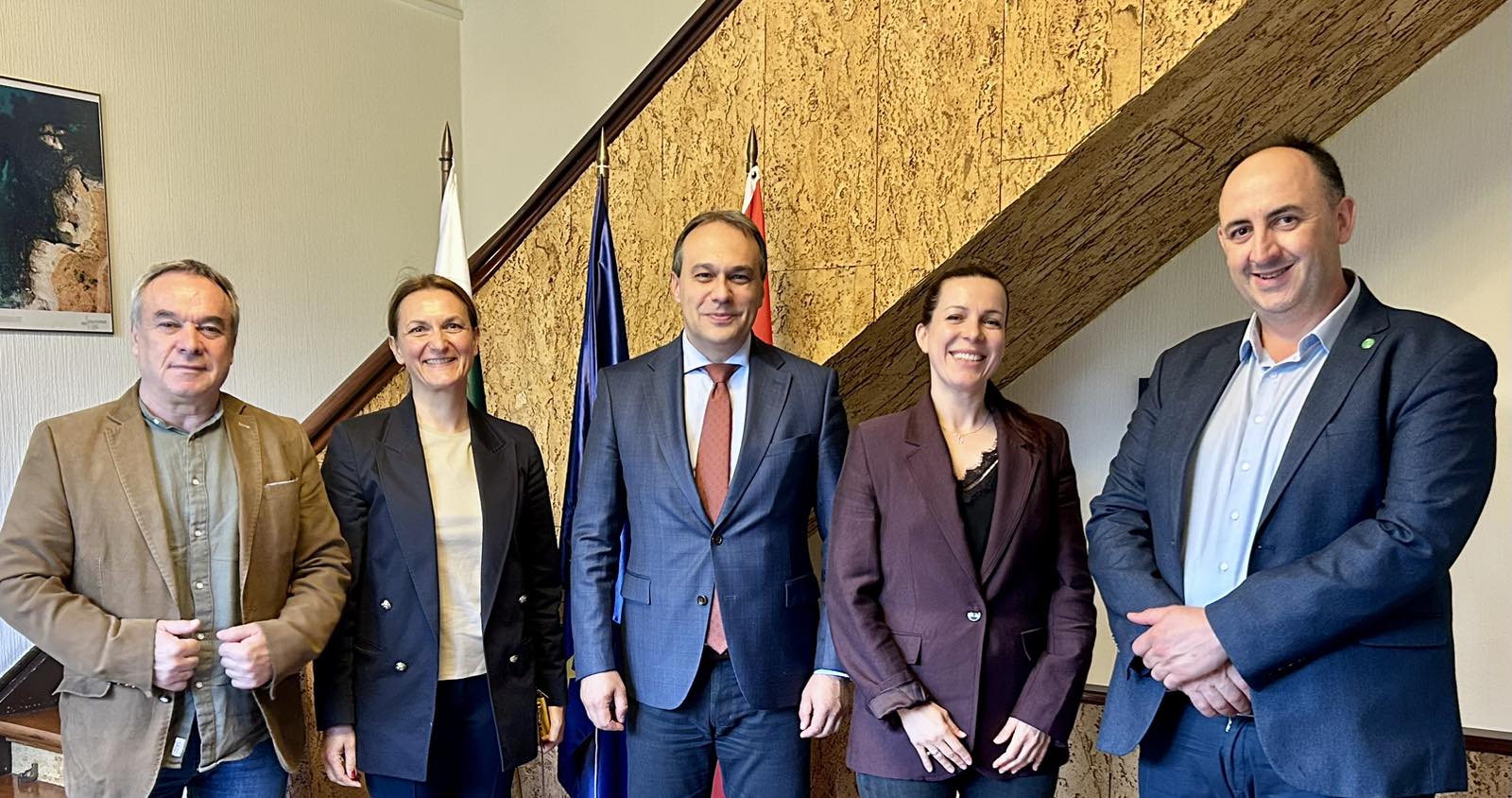
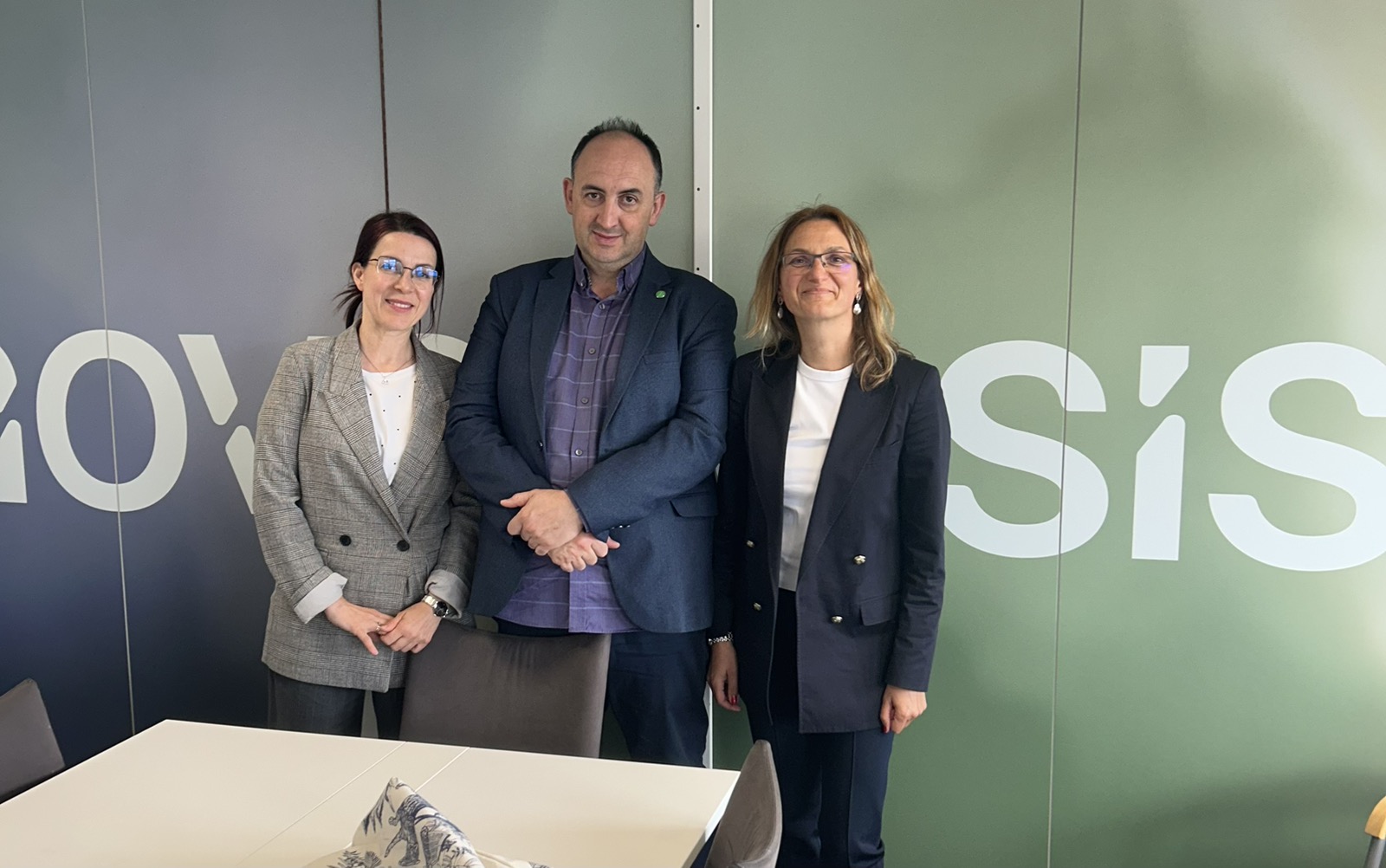
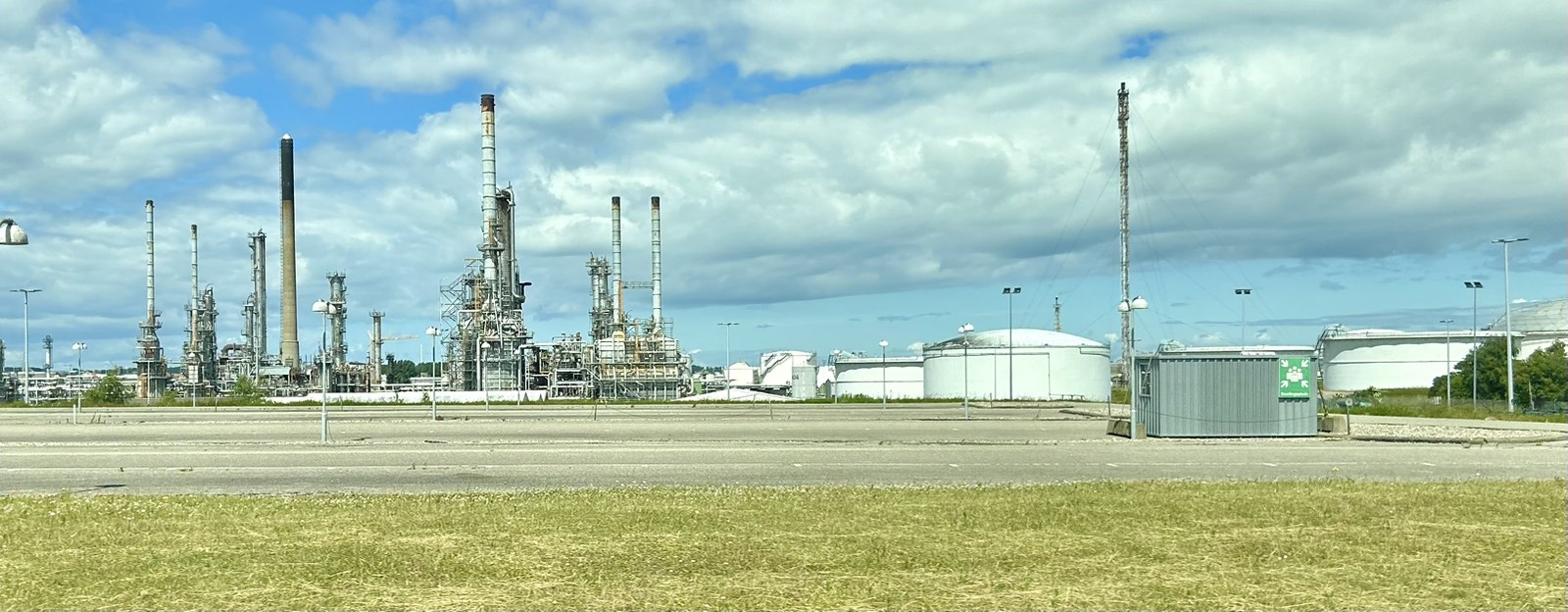
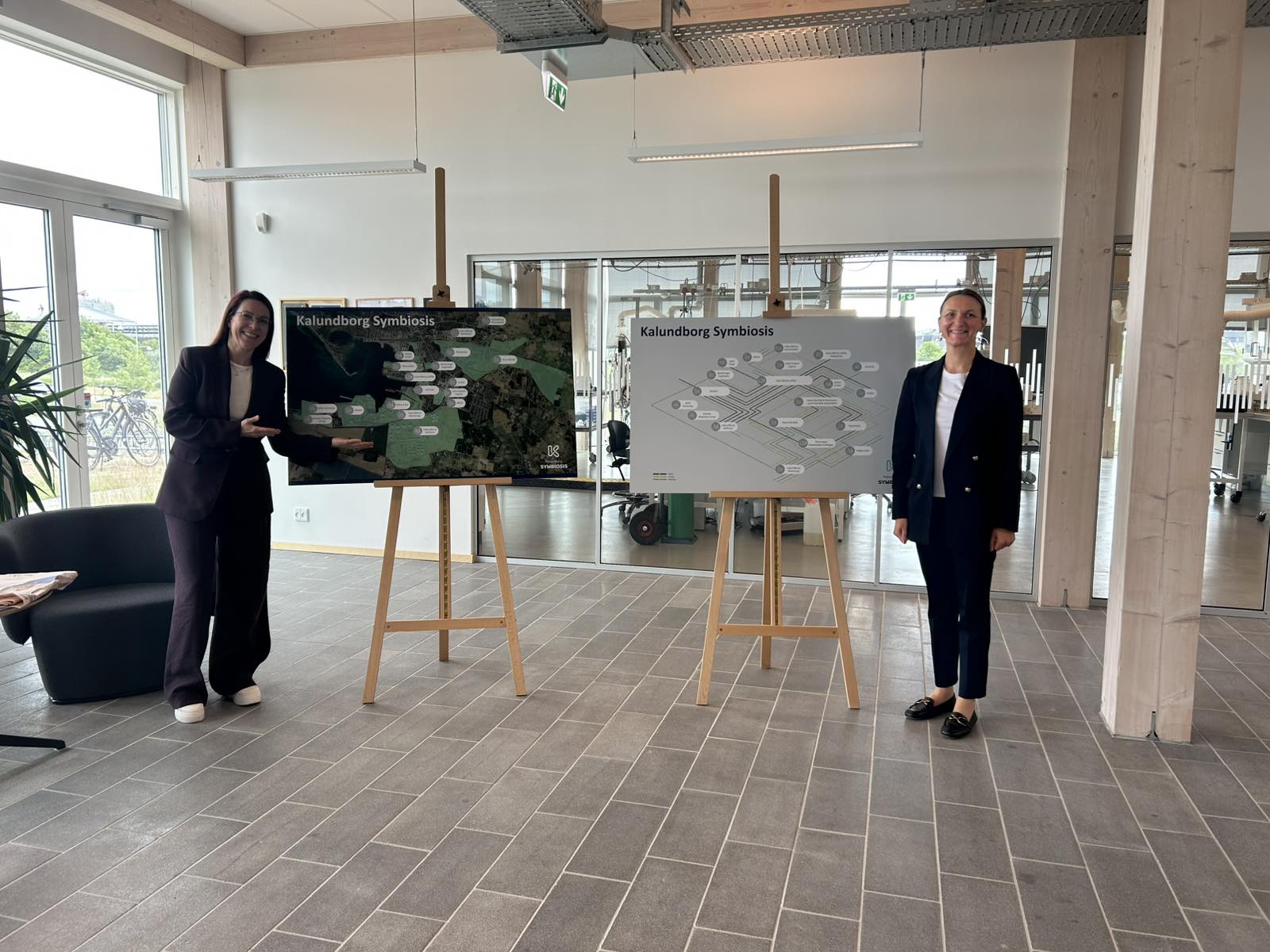
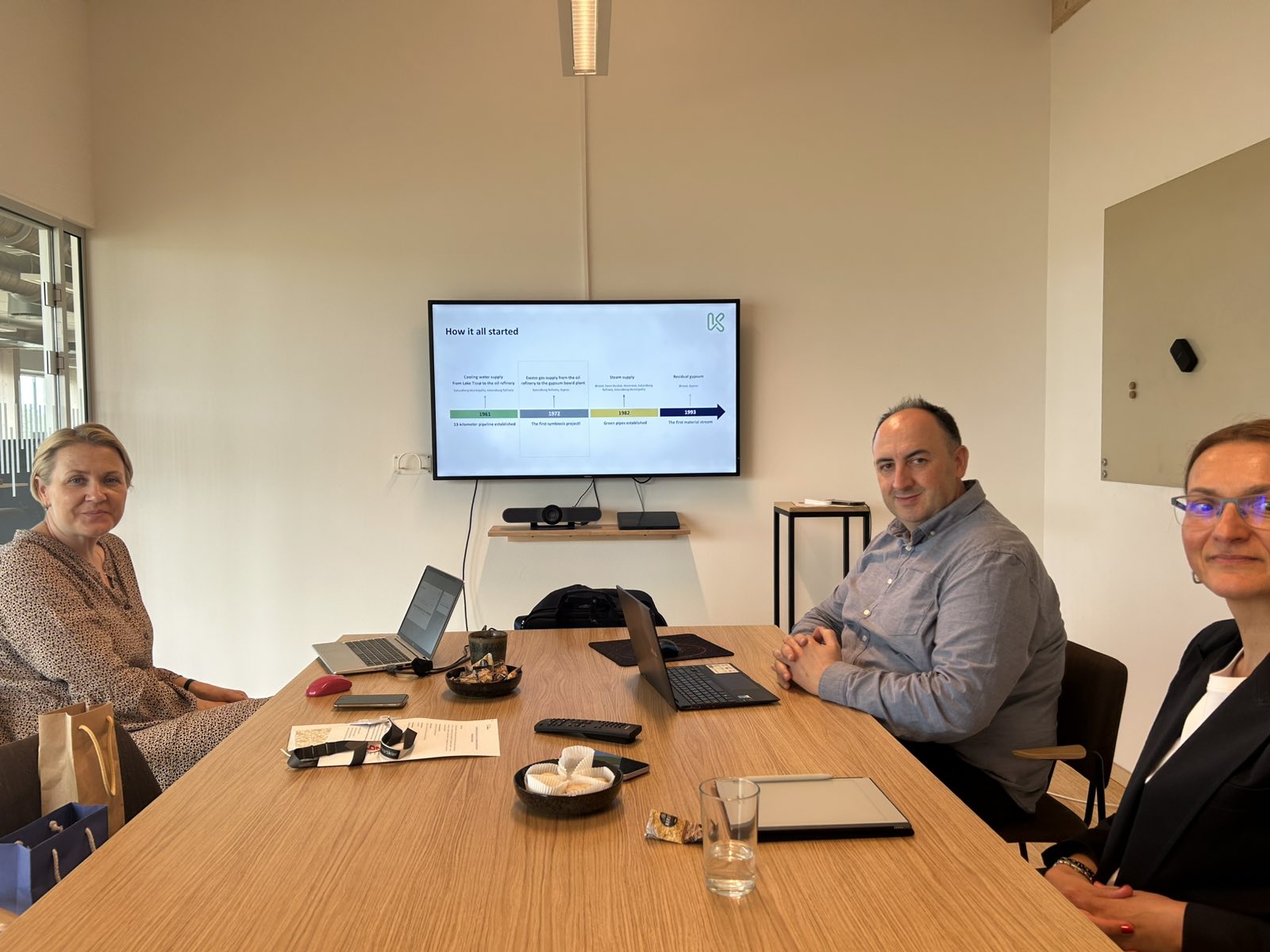
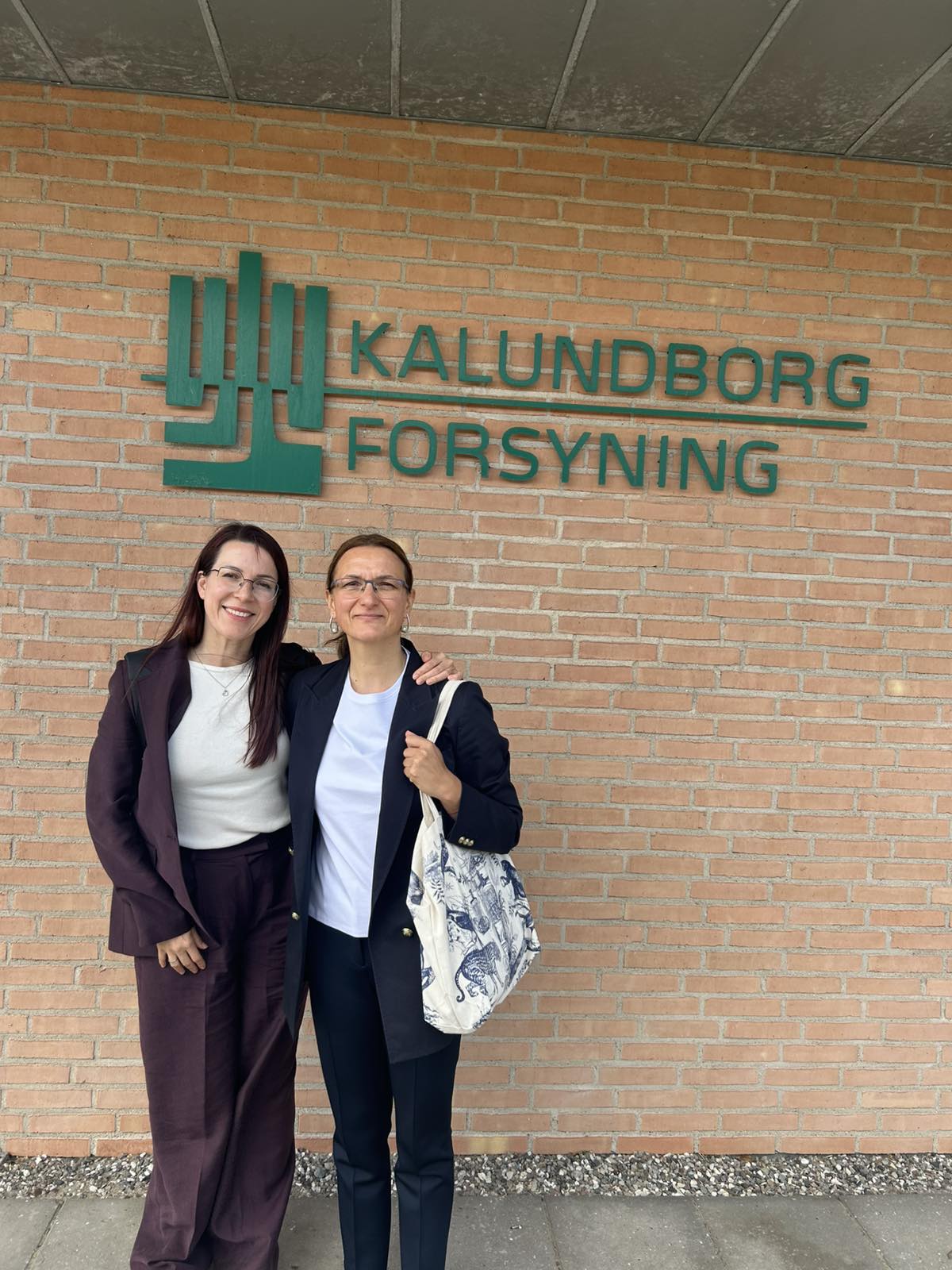
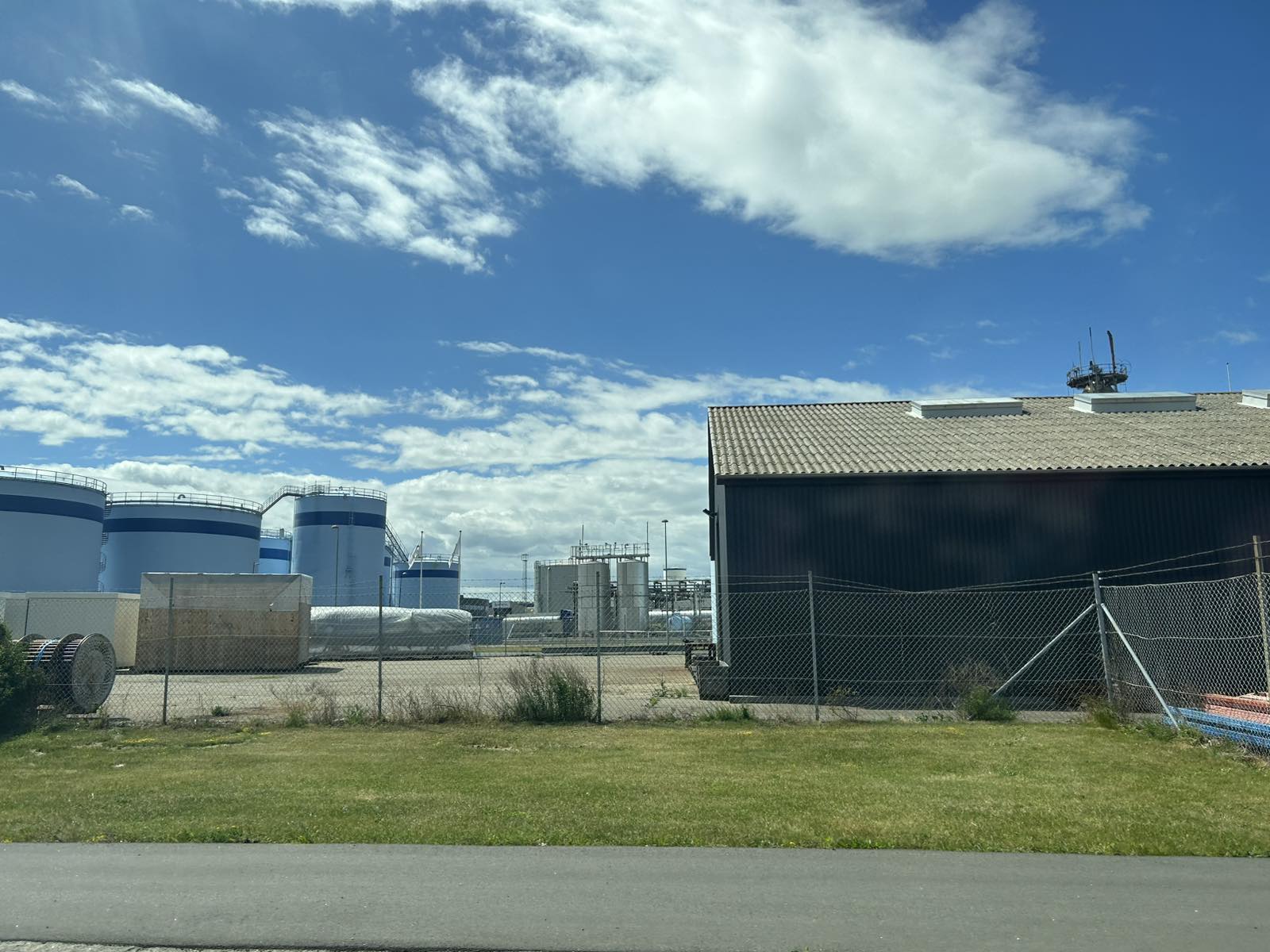
- Scientific Research Visit to Denmark (14–18 June)
A research team from New Bulgarian University, consisting of Assistant Professor Dr. Mina Markova-Karpuzova, Assistant Professor Dr. Mina Kostova, and Georgi Stefanov, carried out a four-day research visit to Denmark (14–18 June) as part of Project KP-06-M95/3, funded by the Bulgarian National Science Fund. The purpose of the project is to analyse the industrial symbiosis model in the municipality of Kalundborg, Denmark, and subsequently develop an adaptive model applicable to the Bulgarian context. During the visit, the research team met with executives and experts from several leading organisations implementing the principles of the circular economy and sustainable development, including Novonesis, the Kalundborg Symbiosis Secretariat, Kalundborg Utility, APM Terminals, ARGO, and other key stakeholders within the region's industrial symbiosis network. The Kalundborg Symbiosis is a unique collaboration between 16 interconnected companies that exchange resources such as energy, water, steam, and by-products. Through this model, the waste generated by one organisation becomes a valuable resource for another, significantly reducing environmental impact while improving resource efficiency. The network brings together industrial enterprises alongside public and utility operators, creating one of the world's most successful examples of a circular economy in practice. Throughout the visit, the NBU researchers explored innovative approaches to resource management, sustainable water and energy use, and effective collaboration between businesses, public institutions, and research organisations. They also discussed opportunities for transferring best practices and adapting successful solutions to the Bulgarian economic and institutional environment. As part of the official programme, the delegation also met with Mr. Dragomir Zakov, Ambassador of the Republic of Bulgaria to the Kingdom of Denmark, as well as with the Embassy's Trade Attaché. The discussions focused on opportunities for strengthening future cooperation and establishing long-term partnerships between academic institutions and industry. The visit forms part of the project's long-term efforts to study successful international models and promote sustainable development through closer cooperation between academia, business, and public institutions.